
Sehat Kahani (Pakistan)
Pakistan’s Leading Female-Led Healthtech Platform
Pakistan’s Leading Female-Led Healthtech Platform
The problem they solve
Pakistan faces one of the world’s most severe shortages of frontline clinicians, particularly in rural communities where maternal mortality is high, doctor-to-patient ratios are critically low, and women often face barriers to accessing care. At the same time, thousands of qualified female doctors remain out of practice due to social expectations and mobility limitations, leaving a major talent pool untapped.
Their solution
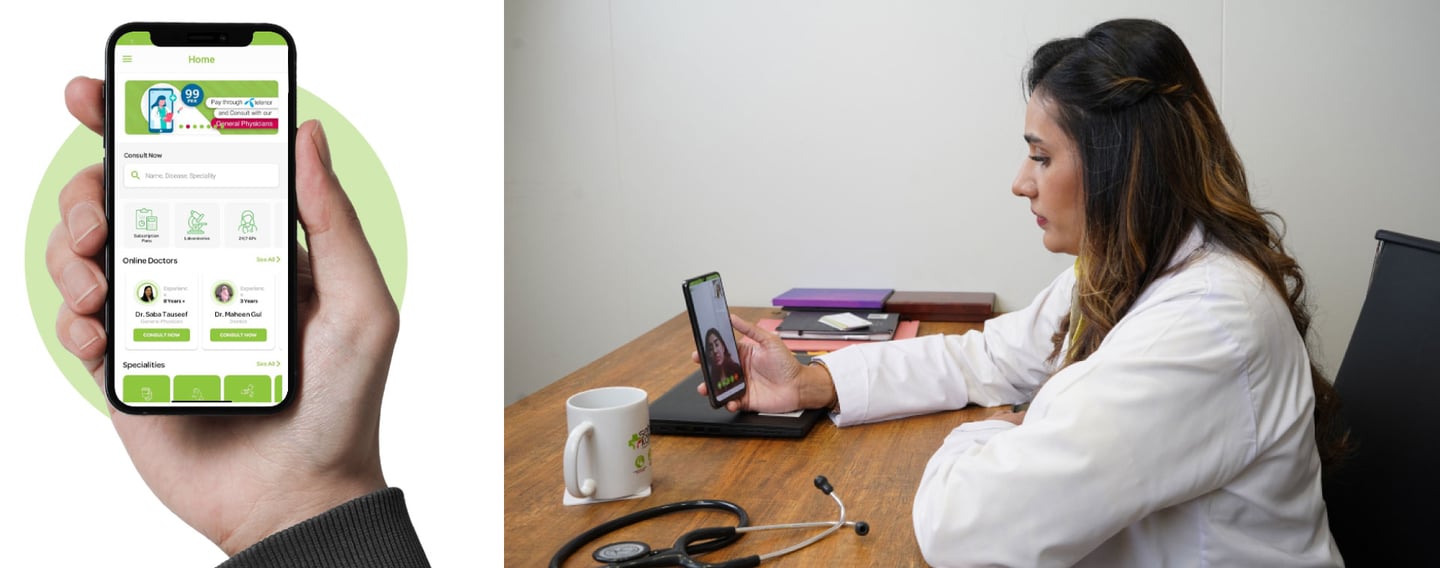
Sehat Kahani uses a clinic-based and digital-first model that pairs remote female physicians with trained nurse intermediaries working within communities. This allows patients to receive trusted, culturally sensitive care supported by:
● IoT diagnostic tools in e-clinics
● AI-enabled clinical decision support
● e-pharmacy integrations
● corporate and community health programmes
Care is accessible via both low-bandwidth telemedicine channels and high-tech mobile platforms, enabling inclusive delivery across diverse settings.
Why they matter now
As Pakistan confronts widening health inequities from workforce shortages to gender-based access barriers, Sehat Kahani provides a scalable, cost-effective, and culturally grounded solution that strengthens resilience across the entire system. By empowering female doctors and deploying a hybrid telemedicine infrastructure, the platform addresses both supply and demand challenges simultaneously. With plans to expand into underserved provinces and global markets across MENA and Africa, Sehat Kahani is poised to become one of the most impactful healthtech exports emerging from South Asia.

Who they are
Sehat Kahani is Pakistan’s leading female-led healthtech platform delivering affordable, culturally accepted, high-quality care to underserved communities. Through its hybrid model of 65 e-clinics, a widely adopted mobile app, and comprehensive digital health services, the platform connects users to a network of over 7,500 licensed female doctors, many reactivated into the workforce after being homebound due to cultural constraints.
Pakistan’s Leading Female-Led Healthtech Platform
The problem they solve
Pakistan faces one of the world’s most severe shortages of frontline clinicians, particularly in rural communities where maternal mortality is high, doctor-to-patient ratios are critically low, and women often face barriers to accessing care. At the same time, thousands of qualified female doctors remain out of practice due to social expectations and mobility limitations, leaving a major talent pool untapped.
Their solution
Sehat Kahani uses a clinic-based and digital-first model that pairs remote female physicians with trained nurse intermediaries working within communities. This allows patients to receive trusted, culturally sensitive care supported by:
● IoT diagnostic tools in e-clinics
● AI-enabled clinical decision support
● e-pharmacy integrations
● corporate and community health programmes
Care is accessible via both low-bandwidth telemedicine channels and high-tech mobile platforms, enabling inclusive delivery across diverse settings.
Why they matter now
As Pakistan confronts widening health inequities from workforce shortages to gender-based access barriers, Sehat Kahani provides a scalable, cost-effective, and culturally grounded solution that strengthens resilience across the entire system. By empowering female doctors and deploying a hybrid telemedicine infrastructure, the platform addresses both supply and demand challenges simultaneously. With plans to expand into underserved provinces and global markets across MENA and Africa, Sehat Kahani is poised to become one of the most impactful healthtech exports emerging from South Asia.

Who they are
Sehat Kahani is Pakistan’s leading female-led healthtech platform delivering affordable, culturally accepted, high-quality care to underserved communities. Through its hybrid model of 65 e-clinics, a widely adopted mobile app, and comprehensive digital health services, the platform connects users to a network of over 7,500 licensed female doctors, many reactivated into the workforce after being homebound due to cultural constraints.